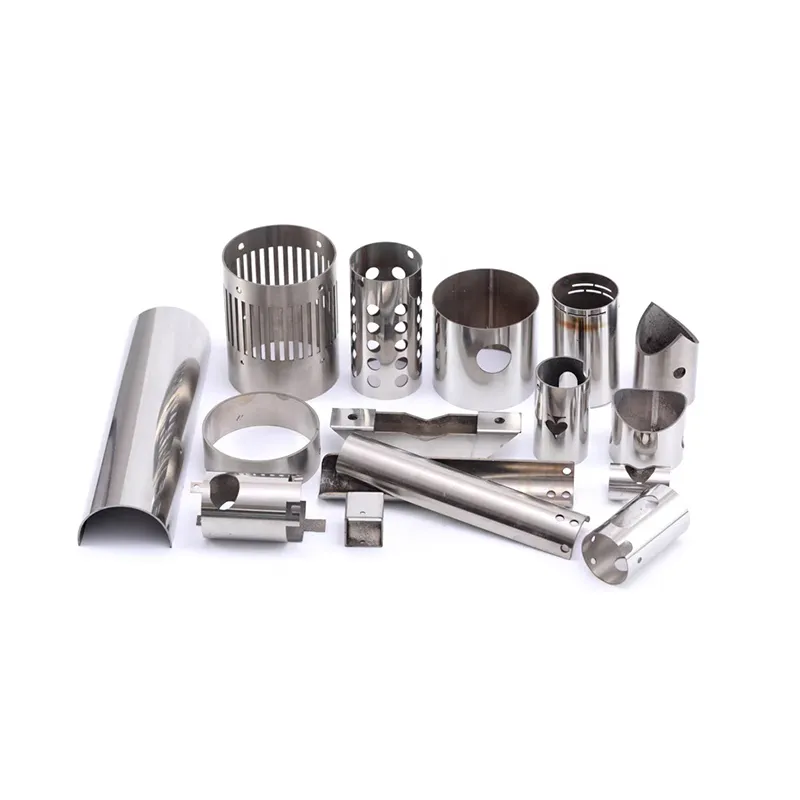
When looking for pipe processing services, it’s essential to understand the variety of options available to ensure you select a provider that meets your specific needs. Whether you require cutting, bending, welding, or coating services, selecting the right processing service can significantly impact your project’s success. In this guide, we will explore the critical factors to consider when choosing pipe processing services, helping you make informed decisions that enhance efficiency and quality.
Understanding Pipe Processing Services
Pipe processing encompasses various techniques used to modify pipes for multiple applications. This includes services such as:
- Cutting: Reducing the pipe to specific lengths.
- Bending: Shaping pipes to fit particular dimensions.
- Welding: Joining pipes for structural integrity.
- Coating: Protecting pipes from corrosion and other environmental factors.
Step 1: Identify Your Specific Needs
Before you start searching for pipe processing services, clearly define what you need. Consider the following:
- Type of Pipe: What materials will you be working with (e.g., steel, plastic, copper)?
- Service Requirements: Do you need quick turnarounds, bulk processing, or sophisticated manufacturing techniques?
- Compliance Standards: Are there industry regulations your project must meet (e.g., ASTM standards)?
Step 2: Research Potential Service Providers
Use online resources and industry publications to compile a list of potential pipe processing service providers. Pay attention to:
- Reputation: Look for reviews and testimonials from previous clients.
- Experience and Expertise: Ensure the provider has experience with the specific types of pipe processing you require.
- Certifications: Verify that they hold relevant industry certifications.
Step 3: Evaluate Capabilities and Technology
Review each provider's technological capabilities and processing methods to ensure they align with your project needs:
- Machinery Quality: Assess the quality and type of machinery used for processing.
- Process Efficiency: Inquire about their lead times and production capacity.
- Innovative Techniques: Look for companies that utilize advanced technologies for better precision.
Step 4: Request Quotes and Compare Pricing
After narrowing down your options, request detailed quotes from your selected providers. When comparing:
- Itemized Quotes: Ensure that each quote breaks down costs so you can compare services accurately.
- Value for Money: Consider the balance between cost, quality, and service level.
- Long-Term Benefits: Think about potential for future projects and whether they offer significant discounts for long-term contracts.
Step 5: Conduct Site Visits and Interviews
If possible, conduct site visits to the processing facility. During these visits, focus on:
- Facility Cleanliness and Organization: A well-maintained facility often indicates professionalism and care.
- Employee Expertise: Engage with staff to gauge their level of knowledge and service orientation.
- Safety Standards: Ensure they follow industry safety protocols.
Step 6: Make Your Decision
After following the steps above, weigh your options and make an informed choice. Consider all factors, including price, capacity to meet deadlines, and quality of service.
Reassessing Your Choice: Regular Feedback and Monitoring
After selecting a pipe processing service provider, maintain regular communication and provide feedback on their performance. This practice ensures that they are meeting your expectations and allows for adjustments to be made as necessary.
Key Considerations for Sustainability and Environmental Compliance
Finally, consider sustainability practices when selecting your pipe processing services. Look for providers who focus on eco-friendly processes, recycling scrap materials, and comply with environmental regulations. This not only benefits the planet but can enhance your project’s public image and compliance standing.
Image Reference: