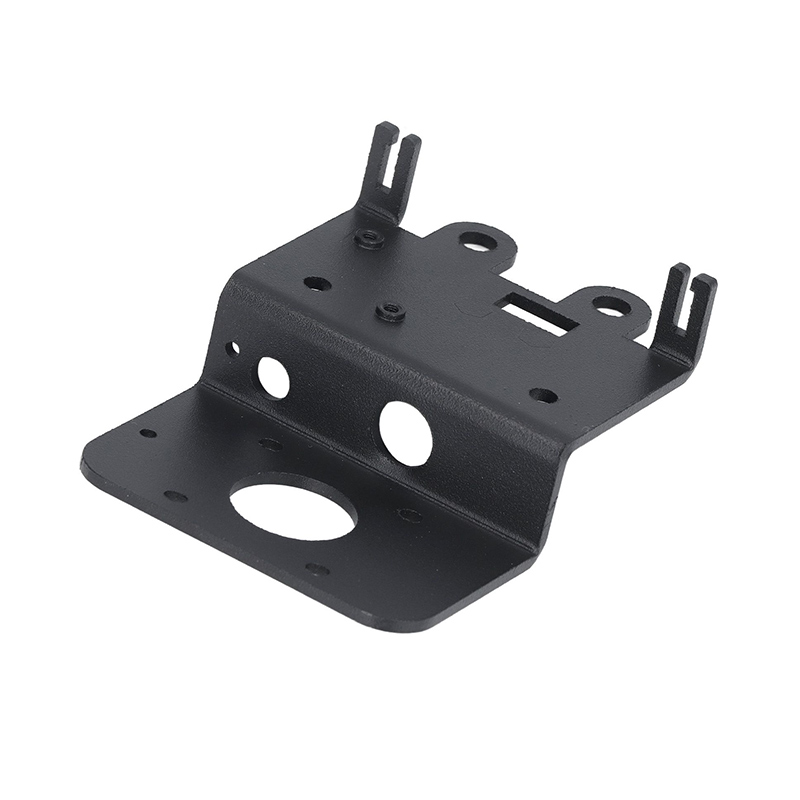
For engineers, manufacturers, and product developers looking to create custom sheet metal parts, selecting the right components can be a daunting task. This guide aims to streamline your decision-making process, ensuring you navigate the complexities of material selection, design specifications, and manufacturing techniques. By addressing common pain points such as cost overruns and production delays, we present actionable solutions. Discover how custom sheet metal parts from reputable suppliers like Furui can resolve your specific issues, enhancing your project's success rate significantly.
Understanding the terminology and principles involved in sheet metal fabrication is crucial. Here are some foundational concepts:
Identify key criteria such as size, weight, and load-bearing capacity. For example, if your project requires a bending radius less than 1.5 times the sheet metal's thickness, verify that the material can meet this specification.
Choose the right metal based on its properties. For instance, if corrosion resistance is crucial, materials like SS316 exhibit a corrosion rate of less than 0.1 mm per year in saltwater environments. Consider aluminum for lightweight applications; it reduces overall project weight by up to 40% compared to steel.
Select a process suited to your design complexity. Laser cutting can achieve tolerances of ±0.1 mm, significantly improving precision over traditional methods.
Utilize rapid prototyping techniques such as 3D printing to create initial models. This can save costs by identifying flaws early, potentially reducing overall project costs by up to 25%.
Conduct stress tests on prototypes. An industry-standard tensile test can reveal whether the material withstands a load of up to 845 N without permanent deformation.
Prepare technical drawings with detailed specifications, ensuring all necessary tolerances are noted. Contact suppliers like Furui to obtain quotes that meet your production timeline.
The best material depends on the application. For durability under extreme conditions, consider stainless steel, while aluminum is preferable for lower weight applications.
Select manufacturers with established logistics partnerships. For example, Furui offers a 5-7 day lead time for standard orders due to their efficient supply chain management.
Yes, many manufacturers offer custom sheet metal parts tailored to your specifications, often utilizing CAD software for accuracy.
For those interested in delving deeper, consider exploring topics like Finite Element Analysis (FEA) for stress testing or advanced manufacturing technologies like CNC machining. Resources are available on sites like ScienceDirect to expand your knowledge base further.
Selecting the right sheet metal parts is critical for the success of any engineering project. It is advisable to partner with reputable manufacturers like Furui that offer a comprehensive range of custom sheet metal parts, ensuring quality and adherence to your specifications. For further assistance, feel free to contact Furui for tailored solutions and expert guidance.