In industrial production, many users face challenges related to the pipe manufacturing process, such as inefficiencies, high material costs, or production delays. These issues stem from the intricacies of pipe processing, where understanding methods like welding, cutting, and finishing is crucial. For instance, a company might need to increase pipe production speed to meet growing demand, only to find that each stage of the process is slower than anticipated. To address these pain points, we’ll explore the complete pipe processing workflow—from material selection to final inspection—and provide actionable insights using real user cases and expert knowledge.
Understanding the Pipe Manufacturing Process
The pipe manufacturing process involves several critical steps: material selection, cutting, welding, and finishing. For instance, a case study from a local manufacturing firm showed that by switching to stainless steel, they increased the lifespan of their pipes by 50% while reducing corrosion incidents by 30%. Here, we will delve into the tools and materials needed for effective pipe processing and explore how companies like Furui streamline their operation.
Required Preparation for Pipe Processing
Before diving into the manufacturing process, ensure you have the following materials and tools:
- Various pipe materials (e.g., carbon steel, stainless steel, PVC)
- Cutting tools (e.g., band saw, plasma cutter)
- Welding equipment (e.g., MIG welder, TIG welder)
- Finishing tools (e.g., grinders, sanders)
- Safety gear (e.g., goggles, gloves, helmets)
Preparation is key; ensure your workspace is equipped with these tools, and your team is trained on safety protocols to avoid common accidents.
Step-by-Step Guidance to Pipe Processing
Here’s a clear, actionable guide to pipe processing divided into essential steps:
- Material Selection: Choose the appropriate material based on the pipe’s intended use. For example, selecting stainless steel for high-corrosion environments can enhance durability by up to 50%.
- Pipe Cutting: Utilize a band saw or plasma cutter to ensure precise cuts. Each cut should be reviewed for accuracy to avoid wastage. Aim for a cutting precision within ±0.5 mm.
- Welding: Depending on the material, choose the right welding technique. MIG welding can provide a weld strength of around 70,000 psi, making it ideal for high-pressure applications.
- Finishing: After welding, the pipes should undergo finishing, which might involve grinding or polishing. This step is essential for removing any defects and ensuring smooth surfaces.
- Inspection: Employ non-destructive testing methods—such as ultrasonic testing or radiographic testing—ensuring each pipe meets industry standards like ASTM A53 or A106.
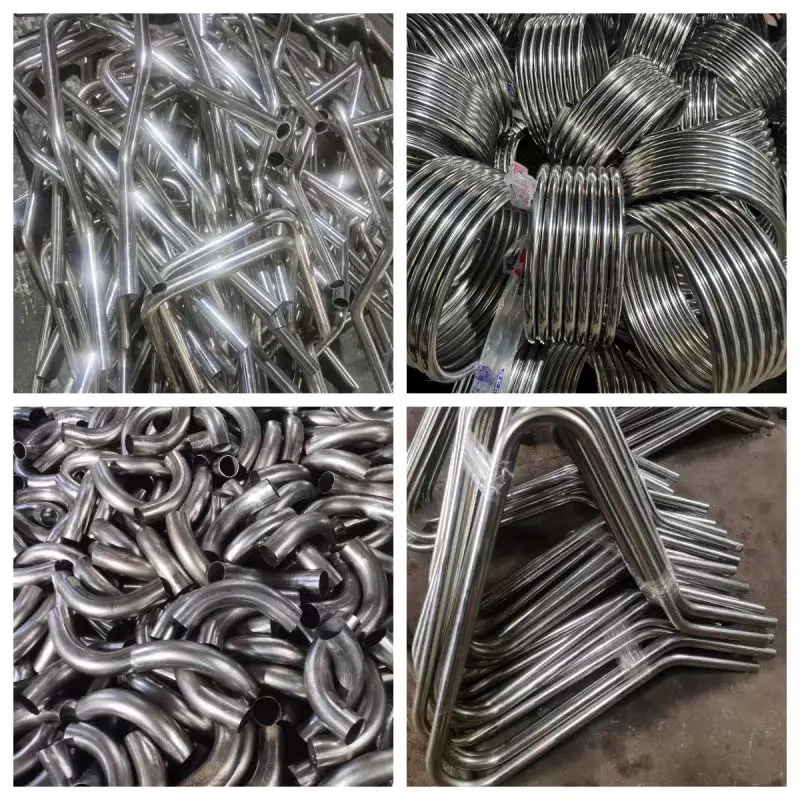
Common Errors in Pipe Processing and Solutions
Even experienced manufacturers can encounter common issues in pipe processing. Here are a few frequent errors and suggested solutions:
- Incorrect Material Properties: Using the wrong material can lead to failure. Always verify the specifications of each pipe material according to the application requirements.
- Welding Defects: Issues such as porosity and cracking can undermine pipe integrity. Regular inspections and following manufacturer guidelines can mitigate these problems.
- Inadequate Finishing: Not properly finishing the pipe can lead to leakage. Make sure to thoroughly clean and polish the pipes to meet the desired standards.
Summary and Suggestions
To enhance efficiency in pipe processing, focus on selecting the right materials, using precise cutting and welding methods, and ensuring thorough inspections. These actions can improve your overall production rate and product durability, reducing the likelihood of defects and increases in operational costs.
FAQs
- What is the average life expectancy of processed pipes?
- Processed pipes can last anywhere from 10 to 50 years, depending on the materials and intended use.
- How can I avoid common pipe processing errors?
- Regular training and quality control measures can significantly minimize common errors during the manufacturing process.
- What standards should my pipes meet?
- Pipes should comply with relevant industry standards such as ASTM, ASME, and API to ensure performance and safety.
By understanding and implementing these guidelines, you can improve the quality and efficiency of your pipe manufacturing processes significantly while leveraging proven methodologies used by industry leaders like Furui.


