In today's manufacturing industry, the demand for custom sheet metal parts is ever-increasing. Companies across various sectors are seeking precise and durable components that cater to their unique design needs. Custom sheet metal parts play a crucial role in applications ranging from aerospace to automotive, offering tailored solutions that improve efficiency and functionality. This article delves into the significance of custom sheet metal parts, addresses common challenges faced in sourcing them, and explores how they elevate production processes by meeting specific requirements.
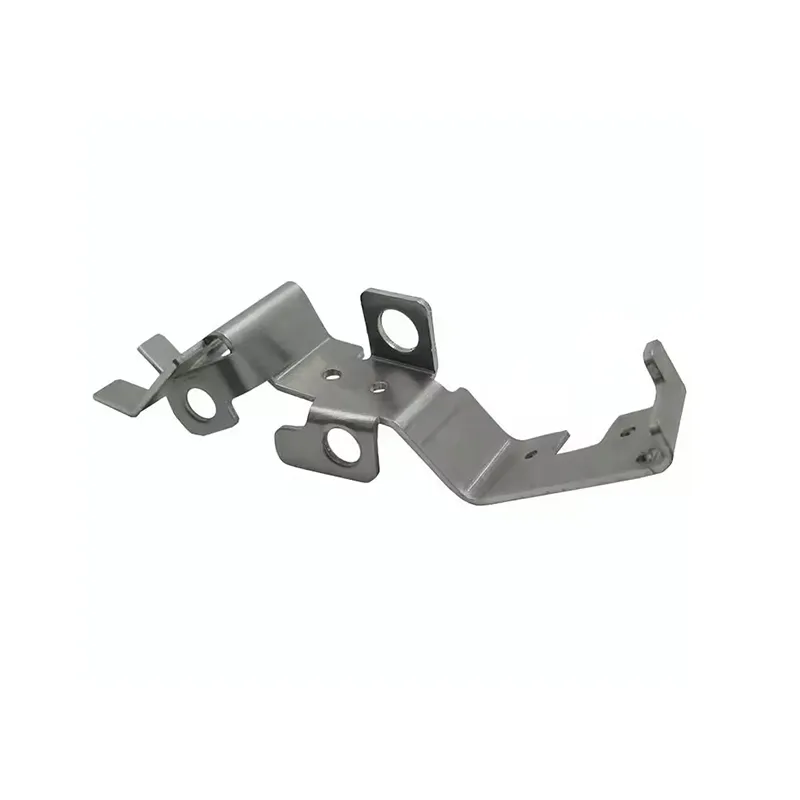
Custom sheet metal parts are components crafted from thin sheets of metal that are cut, bent, or shaped to form specific designs tailored to the needs of various industries. These parts can be made from a variety of metals, including aluminum, stainless steel, and copper, depending on the required properties such as strength, weight, and corrosion resistance.
In industry terms, sheet metal fabrication involves various processes, including cutting, punching, stamping, and welding. These techniques allow for the precise manipulation of metal sheets to create parts with accuracy often measuring within ±0.005 inches, ensuring high quality and consistency in production.
Custom sheet metal parts are invaluable across multiple industries, each with unique applications:
Aerospace: Used in manufacturing fuselage components and structural supports, custom sheet metal parts must meet stringent safety standards and performance metrics.
Automotive: These parts are critical for chassis, body panels, and engine components, contributing to vehicle performance and aesthetics.
Electronics: In the electronics industry, custom metal housings protect sensitive components, providing RF shielding and heat dissipation.
Construction: Sheets are fabricated into brackets, support structures, and architectural finishes, offering durability and aesthetic appeal.
Medical Devices: Precision in custom parts is essential for medical machinery, ensuring reliability and compliance with health regulations.
Custom sheet metal parts have numerous advantages that contribute to their importance in manufacturing:
Precision Fit: Customization ensures that each part meets exact specifications, significantly reducing errors and the need for modifications, which can save up to 30% in manufacturing time.
Cost-Effectiveness: Tailored parts eliminate excessive material use, potentially lowering production costs by 25% while minimizing waste.
Versatility in Design: With advancements in fabrication technologies, custom sheet metal can be designed in complex shapes and sizes, accommodating innovative designs for various applications.
Material Efficiency: Selecting the right metal for specific applications enhances strength and reduces overall weight, translating into better performance; for instance, aluminum parts can be up to 50% lighter than equivalent steel counterparts.
If you are considering the use of custom sheet metal parts for your next project, the next step involves evaluating potential suppliers. Look for fabricators with a proven track record, such as Furui, which specializes in high-quality custom sheet metal fabrication.
Review a User Guide: Examine user guides or technical specifications to understand the capabilities and limitations of different types of metal and their processing.
Request a Quote: Engage with suppliers to obtain detailed quotes based on your specific needs, including material selection, production volume, and lead times.
Q: What materials can be used for custom sheet metal parts?
A: Common materials include aluminum, stainless steel, copper, and brass, each chosen based on the required properties for the application.
Q: How long does it take to produce custom sheet metal parts?
A: Production times vary depending on the complexity and volume of parts. Typically, it may take anywhere from days to weeks for small to medium runs.
Q: Can I get prototypes before mass production?
A: Yes, many fabricators offer prototyping services that allow you to test designs and fit before committing to large production runs.
Q: What should I consider when selecting a supplier?
A: Consider factors such as experience, range of services offered, the technology used for fabrication, and customer reviews.
In conclusion, understanding custom sheet metal parts is essential for businesses aiming to enhance their manufacturing processes. For reliable solutions and cutting-edge technology, brands like Furui are well-equipped to meet your custom fabrication needs. To explore further, consider requesting a consultation or reading more on the topic to ensure informed decision-making for your projects.


